

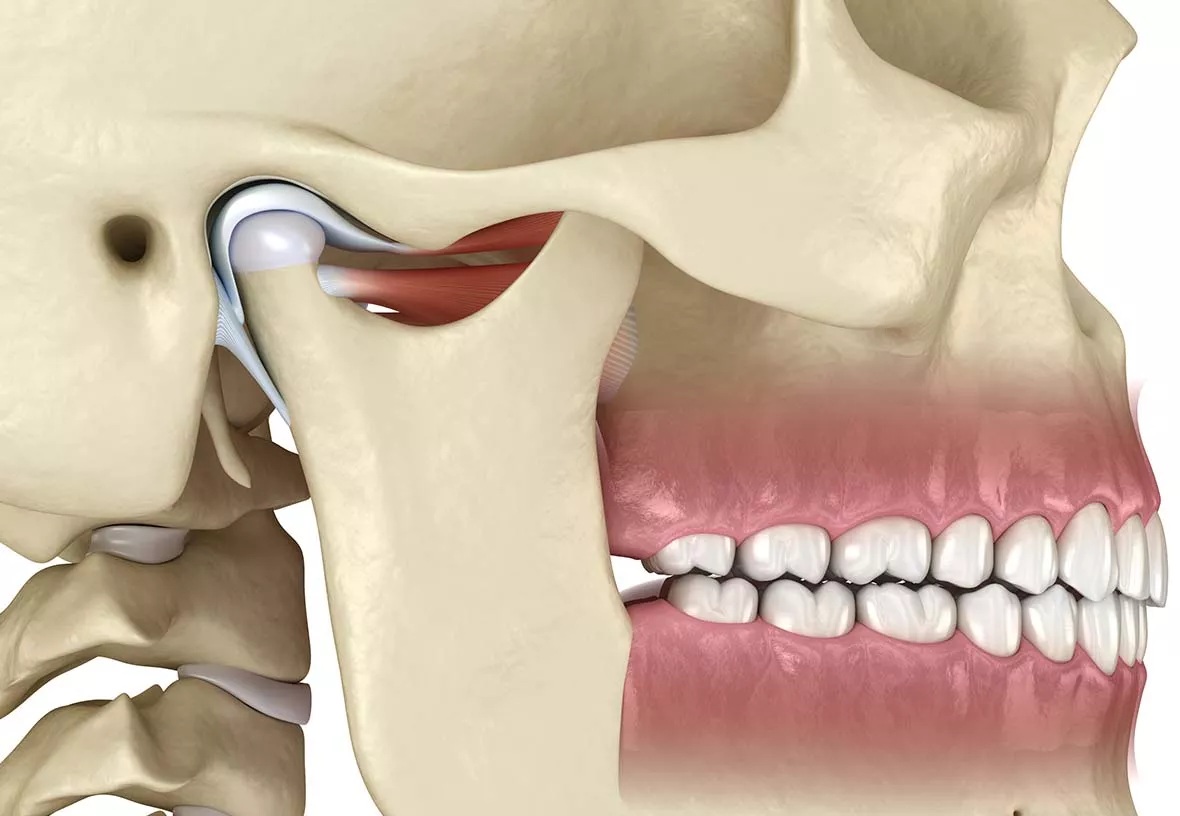
TMJ Disorder Treatment
TMJ disorder (TMD) is a group of jaw disorders that can cause headaches, chronic jaw pain, difficulty swallowing, and other symptoms. The disorder is usually associated with stress and inflammation affecting the temporomandibular joint - the joint between your lower jaw and your skull.
Diagnosis
Diagnosis of TMJ disorder can be challenging. Common causes include stress, injury, malocclusion or misaligned teeth, arthritis, and genetics. Diagnosis usually requires a thorough examination of the face and jaws, a review of your general health and level of stress, and a diagnosis of contributing conditions such as nighttime teeth grinding or clenching.
Treatment
When we understand the cause of your symptoms, we can recommend several treatments to help you find relief. Treatments can include anti-inflammatory medication, massage or physical therapy, stretching and exercise, stress reduction, orthodontic treatment of bite and alignment issues, treatment for clenching or grinding, or surgery in severe cases.

Frequently Asked Questions
My jaw keeps popping. What should I do?
Jaw popping is often a sign of TMJ disorder. If your jaw regularly clicks, pops, or feels painful, it’s important to have it checked. At City Dental Center in Toronto, we’ll carefully examine your bite, jaw movement, and overall dental health to find out what’s happening. Sometimes the cause is stress, teeth grinding, or a misaligned bite. We’ll talk with you about your symptoms and recommend a plan to relieve discomfort and protect your jaw long-term.
What doctor should I see for TMJ?
A dentist is often the best place to start. Many TMJ problems are related to how your teeth and jaw fit together, so dentists are trained to diagnose and treat them. At our Toronto clinic, we’ll assess your jaw, look for signs of grinding or misalignment, and suggest the right approach. If needed, we’ll also work with medical specialists to ensure you get complete care.
What helps when TMJ is flared up?
Gentle care and professional guidance can calm a TMJ flare-up. At home, simple steps like resting your jaw, applying a warm compress, or avoiding hard foods can bring temporary relief. But lasting comfort comes from understanding the cause. When you visit us at City Dental Center, we’ll review your symptoms, check your bite, and create a treatment plan tailored to you. Our goal is to help ease pain and prevent future flare-ups so you can get back to daily life without worry.
What treatments are available for a misaligned jaw?
Dentists offer several effective ways to treat jaw misalignment. Depending on your needs, treatment may involve custom bite splints, orthodontic care, or restorative dental work to improve how your teeth come together. At our Toronto office, we’ll explain every option in clear language and help you choose what feels right. We believe in step-by-step care that supports your comfort and restores balance to your bite.
Can a dentist diagnose and treat TMJ?
Yes — dentists are trained to diagnose and treat TMJ disorders. At City Dental Center, we use a thorough exam to identify what’s causing your jaw pain or dysfunction. From there, we can recommend treatments such as custom mouthguards, bite adjustments, or stress-relief strategies. Our caring team will walk you through every step, making sure you feel understood and supported. If your TMJ condition requires additional care, we’ll coordinate with trusted specialists in Toronto so nothing is overlooked.
What factors put me at risk of developing TMJ disorder?
Various everyday stresses can raise your risk of TMJ issues. In Toronto and beyond, many people develop TMJ symptoms because of repeated jaw clenching, teeth grinding (especially at night), jaw injuries, or arthritis. Sometimes connective tissue conditions play a role. Habits like chewing gum excessively or even biting fingernails can also strain your jaw over time. At our office, we take a full look at your habits, health history, and jaw mechanics so we can spot risk factors early and help you avoid worsening symptoms.
What can I do at home to manage my symptoms?
There are gentle home steps you can take right now. While they won’t replace professional care, simple practices can ease jaw tension and discomfort. Use a warm (or cold) compress on your jaw, try gentle jaw stretches, or softly massage your jaw muscles. Switch to softer foods and avoid chewy or sticky items that overwork the joint. In Toronto, many of our patients find these adjustments helpful while they wait for a tailored treatment plan with us.